
Call us now :08045476918
 Send Inquiry
 Send Inquiry
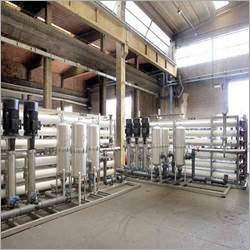
Industrial RO Plant
Price 4500000 INR/ Piece
MOQ : 1 Piece
Industrial RO Plant Specification
- Water Out Conductivity
- <20 S/cm
- Noise Level
- <75 dB
- Pump Type
- Centrifugal / High Pressure Pump
- Usage & Applications
- Industrial Water Purification, Boiler Feed, Process Water
- Frequency
- 50/60 Hz
- Technology
- Reverse Osmosis (RO)
- Drive Type
- Electric Motor Driven
- Automatic Grade
- Automatic
- Product Type
- Reverse Osmosis Plant
- Purity Level
- Up to 99%
- Material
- Stainless Steel / FRP
- Water Source
- Borewell, Tap water, Municipal supply
- Power Source
- Electric
- Volume
- Varies with capacity
- Installation Type
- Floor Mounted
- Inlet Hardness
- Up to 500 ppm
- Inlet/Outlet Connection
- UPVC/SS/Brass Depending on design
- Membrane Type
- Spiral Wound Polyamide
- TDS Reduction Rate
- Up to 99%
- Frame Material
- Mild Steel Powder Coated
Industrial RO Plant Trade Information
- Minimum Order Quantity
- 1 Piece
- Supply Ability
- 5 Pieces Per Month
- Delivery Time
- 3 Week
- Main Export Market(s)
- Middle East, Western Europe, Africa, Central America, Eastern Europe, Australia, South America, Asia, North America
- Main Domestic Market
- All India
About Industrial RO Plant
Ever since the inception, it is our prime motive to meet the clients requirements by manufacturing impeccable quality of Industrial Reverse Osmosis Plant. These plants are used in chemical, pharmaceutical, sugar, cement, steel, petrochemical, beverage and food processing industries for removing pyroxenes and bacteria from the water. Manufactured and designed using optimum quality steel, our Industrial Reverse Osmosis Plant is regarded for its attributes like zero regeneration down time and low operating cost. Our valuable clients can install these plants at the pocket friendly price.
Features:
- No effluent neutralization
- Rust proof body
- Excellent functioning
Specifications:
- Power(W): 1.5KW
- Capacity: 500L/H
- Voltage: 220V
Advanced Reverse Osmosis Technology
Our industrial RO plants employ the latest reverse osmosis (RO) technology, utilizing spiral wound polyamide membranes for superior separation of impurities. This setup ensures exceptional TDS reduction rates, delivering water with high purity and low conductivity. Suitable for challenging water sources, the system offers reliable performance across diverse industrial environments.
Robust Construction and Flexible Design
With options for stainless steel or FRP tank material and a powder coated mild steel frame, these RO plants combine durability with corrosion resistance. Inlet and outlet connections can be customized for UPVC, SS, or Brass to match specific installation requirements. The floor-mounted structure and versatile sizing accommodate various capacity needs.
Efficient and Quiet Operation
Powered by an electric motor and operating with centrifugal or high-pressure pumps, the plant delivers consistent water treatment while maintaining noise levels below 75 dB. The automatic grade supports streamlined operation, minimizing manual intervention and boosting process efficiency for industries.
FAQs of Industrial RO Plant:
Q: How does the spiral wound polyamide membrane enhance the RO plants performance?
A: The spiral wound polyamide membrane provides high filtration efficiency, enabling up to 99% reduction in total dissolved solids (TDS) and delivering water with extremely low conductivity (<20 S/cm). Its design ensures optimum contact with water, allowing effective purification for industrial applications.Q: What types of water sources can this RO plant handle?
A: This RO plant is engineered for flexibility, treating water from borewells, tap water, or municipal supply. Its robust design and adaptable connections ensure consistent purification across various source types commonly encountered in industrial setups.Q: When is installation of this industrial RO plant recommended?
A: Installation is recommended when industrial facilities require large volumes of purified water for boiler feed, process water, or manufacturing needs. Its particularly useful where water hardness may reach up to 500 ppm and a high purity level (up to 99%) is essential.Q: Where can the RO plant be installed within an industrial environment?
A: The unit is floor mounted and designed to be installed in utility areas, near water inlets, or adjacent to processing equipment. Its robust frame and adaptable connections allow placement in spaces optimized for water treatment workflows.Q: What is the process followed by this RO plant to purify industrial water?
A: Raw water enters through configured inlet connections, gets pressurized by a centrifugal or high-pressure pump, and is then pushed through the spiral wound polyamide membrane. The membrane separates impurities, producing purified water while reducing TDS levels by up to 99%.Q: How is the RO plant used in industrial applications?
A: Industries utilize this RO plant for producing process water, feeding boilers, and general water purification. Automated operation supports continuous supply, ensuring adequate water quality for manufacturing or equipment needs with minimal manual oversight.Q: What are the main benefits of choosing this industrial RO plant?
A: Major benefits include high purity water, efficient reduction of contaminants, versatile handling of multiple water sources, automated operation, and robust construction. These attributes ensure reliable, cost-effective water purification tailored for demanding industrial environments.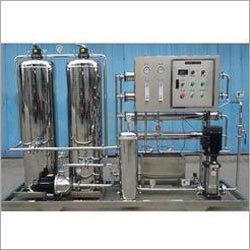
Tell us about your requirement

Price:
Quantity
Select Unit
- 50
- 100
- 200
- 250
- 500
- 1000+
Additional detail
Mobile number
Email

More Products in Ro Plant Category
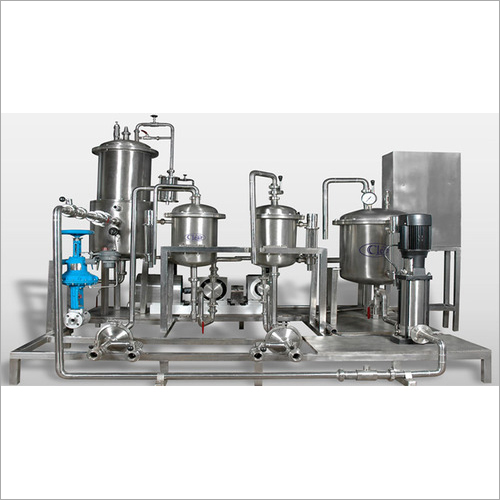
Sugar Syrup Filtration System
Price 300000 INR / Piece
Minimum Order Quantity : 1 Piece
Recycle Rate : 95%
Automatic Grade : Other, Automatic
Product Type : Sugar Syrup Filtration System
Feature : High Filtration Efficiency, Low Maintenance, Corrosion Resistant
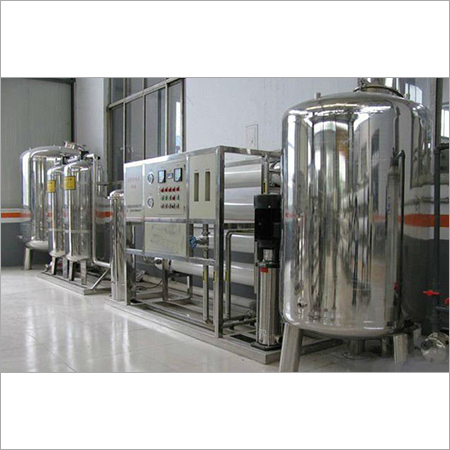
Water RO Plant SS
Recycle Rate : Up to 70%
Automatic Grade : Other, Automatic
Product Type : Commercial RO Plant
Feature : Corrosionresistant, Compact design, Easy installation
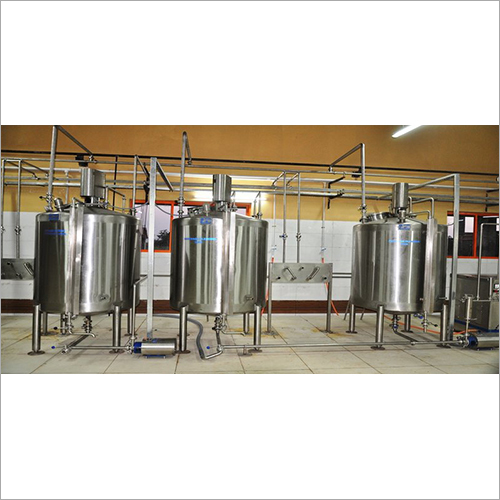
Stainless Steel Beverage Blending Section
Recycle Rate : High
Automatic Grade : Other, Automatic
Product Type : Beverage Blending Section
Feature : Corrosion Resistant
Reverse Osmosis Plant
Price 150000 INR / Unit
Minimum Order Quantity : 1 Unit
Recycle Rate : 3000 LPH
Automatic Grade : Full Automatic
Feature : Reverse Osmosis

 Send Inquiry
Our Products


57/1/9, Site 4, Sahibabad Industrial Area, Ghaziabad - 201010, Uttar Pradesh, India

Mr. Sudheer Jaiswal
(Director)
Mobile :08045476918
 Send Inquiry
 Send SMS
Developed and Managed by Infocom Network Private Limited.


