
Call us now :08045476918
 Send Inquiry
 Send Inquiry
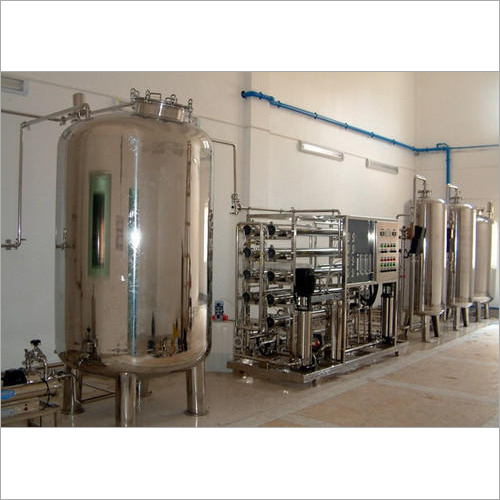
Industrial DM Plant
Price 500000 INR/ Unit
MOQ : 1 Unit
Industrial DM Plant Specification
- Noise Level
- Low
- Recycle Rate
- Up to 95%
- Efficiency (%)
- Up to 98%
- Pump Type
- Centrifugal
- Usage & Applications
- Boiler, Cooling Tower, Process Water
- Water Out Conductivity
- < 1 S/cm
- Feature
- Corrosion Resistant, Easy to Operate
- Technology
- Ion Exchange
- Power Source
- Electric
- Material
- Stainless Steel / FRP
- Water Source
- Borewell, Municipal Supply
- Drive Type
- Electric Motor
- Volume
- Customizable
- Product Type
- Industrial Demineralization Plant
- Purity Level
- Up to 99%
- Capacity
- 500 LPH to 50000 LPH
- Installation Type
- Skid Mounted
- Pipe Material
- UPVC / SS
- System Control
- PLC Based / Manual
- Customization
- Available as per site requirements
- Dimensions
- As per capacity
- Regeneration Mode
- Automatic / Manual
- Resin Type
- Strong Acid Cation, Strong Base Anion
- Compliance Standard
- ISI, ISO 9001:2015
- Pre-Treatment
- Sand Filter, Carbon Filter
- Color
- Blue / Custom coating available
Industrial DM Plant Trade Information
- Minimum Order Quantity
- 1 Unit
- Supply Ability
- 5 Units Per Month
- Delivery Time
- 2 Week
- Main Export Market(s)
- Australia, Eastern Europe, Western Europe, Middle East, Africa, Central America, South America, Asia, North America
- Main Domestic Market
- All India
About Industrial DM Plant
Ever since the inception, we have been devoting immense attention toward manufacturing and supplying an utmost assortment of Industrial DM Plant. Manufactured using quality materials and modern technology, these plants have cation and anion exchange resin for effective removal of the mineral salts from the water. Our Industrial DM Plant is used in various industries of beverages, food processing, mineral water, cooling tower and paper mills. We lay prime emphasis on the packaging of these plants for safe transit at clients premise.
Features:
- Simple operation
- Zero maintenance
- Rugged construction
Specifications:
- One set of regeneration equipment including hydraulic ejectors, acid & alkali tanks
- One set of frontal pipe work & valves
- One mild steel base frame for mounting cation & anion units
- One conductivity meter to monitor treated water quality
- Maximum flow rate: 10 Ltrs/hr to 250000 Ltrs/h in standard plants
- Treated water conductivity: Less than 10 microsiemens/cm with ph of 7.5 to 8.5 at Two Bed DM Plant outlet
- Treated water conductivity: Less than 1 microsiemens/cm with ph of 6.5 to 7.5 at Mix Bed DM Plant outlet
- Mild steel pressure vessels internally lined with rubber/FRP provided with internal fittings and initial charge of cation and anion exchange resin
Advanced Water Treatment Technology
Utilizing high-grade ion exchange processes, our DM Plant achieves water purity levels up to 99%. The inclusion of pre-treatment sand and carbon filters ensures particulate and organic removal before deionization, safeguarding the entire system for long-term reliability. PLC-based and manual control options allow seamless adaptation to site-specific needs.
Customizable & Robust Design
From blue to custom coatings, the plant can be tailored in color, material (SS/FRP), and capacity (50050,000 LPH). Skid-mounted installations simplify on-site setup, while electric centrifugal pumps ensure low-noise, high-efficiency operation. Each unit is built per ISO standards and can be adapted for borewell or municipal supply sources.
FAQs of Industrial DM Plant:
Q: How does the Industrial DM Plant achieve such high water purity?
A: The system utilizes ion exchange technology with strong acid cation and strong base anion resins, combined with efficient pre-treatment through sand and carbon filters. This multi-stage approach ensures the water output maintains conductivity below 1 S/cm, with contamination and mineral content effectively reduced.Q: What industries typically use this DM Plant, and why?
A: Industries such as power plants, pharmaceuticals, chemical manufacturing, and food processing employ this DM Plant for boiler feed, cooling towers, and process water due to its ability to deliver high purity, corrosion-resistant water, helping extend the life of equipment and ensure product quality.Q: When is regeneration of the resins required, and how is it managed?
A: Resin regeneration depends on the plants water usage and feed water quality. The system can be set for either automatic or manual regeneration modes, customizable through the PLC control for continuous, hassle-free operation or user-initiated cycles.Q: Where can the DM Plant be installed, considering different site needs?
A: Our plant is designed for both indoor and sheltered outdoor installation, with customizable dimensions, materials, and mounting options (including skid-mounted), making it suitable for various industrial environments and available space constraints.Q: What is the installation process, and how long does it take?
A: Installation starts with a site assessment, followed by customization as per requirements. Skid-mounted design and standardized components typically allow for quick assembly and commissioning, usually completed within a few days after delivery.Q: How does the plant support environmental sustainability?
A: With a recycle rate of up to 95%, the plant minimizes wastewater discharge and supports water conservation efforts. Efficient operation and low noise further reduce environmental impact, complying with industry sustainability standards.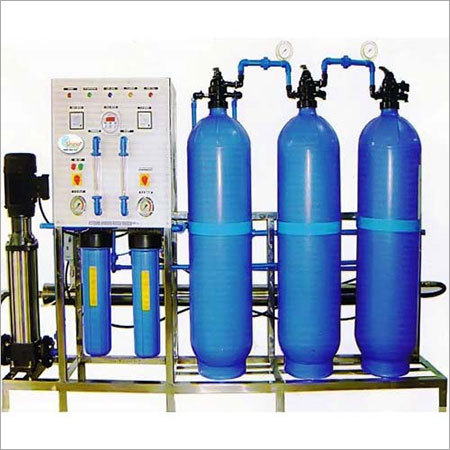
Tell us about your requirement

Price:
Quantity
Select Unit
- 50
- 100
- 200
- 250
- 500
- 1000+
Additional detail
Mobile number
Email

More Products in DM Plants Category
DM+MB Plant
Usage & Applications : Industrial Water Purification
Automatic Grade : Other, Automatic
Water Out Conductivity : <5 S/cm
Material : FRP
Dm Water Plant
Usage & Applications : Industrial Laboratory
Automatic Grade : Other, Automatic
Water Out Conductivity : Less Than 1 Micro Siemens/cm
Material : FRP (Fiber Reinforced Plastic)
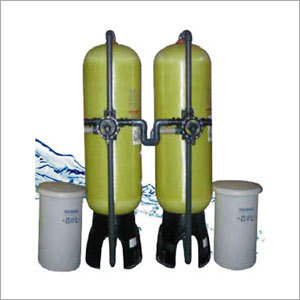
Commercial DM Plant
Price 250000 INR / Piece
Minimum Order Quantity : 1 , , Piece
Usage & Applications : Industrial water treatment, Boiler feed, Textile, Pharmaceutical, Laboratory
Water Out Conductivity : < 1 S/cm
Material : FRP / Mild Steel with Epoxy Coating
Automatic Mineral Water Plants
Price 6500000 INR / Piece
Minimum Order Quantity : 1 Piece
Automatic Grade : Full Automatic

 Send Inquiry
Our Products


57/1/9, Site 4, Sahibabad Industrial Area, Ghaziabad - 201010, Uttar Pradesh, India

Mr. Sudheer Jaiswal
(Director)
Mobile :08045476918
 Send Inquiry
 Send SMS
 Call Me Free
Developed and Managed by Infocom Network Private Limited.


