
Call us now :08045476918
 Send Inquiry
 Send Inquiry
Commercial Reverse Osmosis Plants
MOQ : 1 Unit
Commercial Reverse Osmosis Plants Specification
- Technology
- Reverse Osmosis Membrane
- Noise Level
- < 70 dB
- Feature
- Corrosion Resistant, High Durability, Easy Installation
- Recycle Rate
- Up to 75%
- Pump Type
- High Pressure Pump Stainless Steel
- Usage & Applications
- Drinking Water, Industrial, Commercial, Hotel, Hospital
- Material
- FRP, Stainless Steel
- Purity Level
- Up to 99%
- Drive Type
- Electric Motor
- Power Source
- Electric
- Automatic Grade
- Automatic
- Product Type
- Commercial Reverse Osmosis Plant
- Water Source
- Borewell, Tap, Well, Municipal
- Capacity
- 250 LPH to 10,000 LPH
- Installation Type
- Skid Mounted
- Dimension
- Customizable
- Control System
- PLC based/Manual
- Operation Mode
- Continuous
- Frame Material
- Powder Coated Mild Steel
- Pretreatment Required
- Yes (Sand Filter + Activated Carbon Filter)
- Membrane Type
- Thin Film Composite (TFC)
- Discharge TDS
- < 50 ppm
- Total Dissolved Solids Reduction
- Up to 99%
- Feed Pump Material
- SS304
- Cleaning System
- Automatic/Manual Flushing
Commercial Reverse Osmosis Plants Trade Information
- Minimum Order Quantity
- 1 Unit
- Main Export Market(s)
- Eastern Europe, Middle East, Western Europe, Africa, Central America, Australia, South America, Asia, North America
- Main Domestic Market
- North India
About Commercial Reverse Osmosis Plants
With our complete know how of the domain, we have been able to known as a trustworthy manufacturer and supplier of Commercial Reverse Osmosis Plants. Enabled with pre micron filter, stainless steel tube membrane with high pressure pump, these plants are used for eliminating harmfulindustrial chemicals, pesticides and arsenic from water. We design these Commercial Reverse Osmosis Plants by using stainless steel 304 frames at our state of the art machining facility. Being a quality centric organization, our offered plants are at par with international quality standards at the mean time very nominal in price.
Features:
- Low pressure safety cut-off switch
- Membrane cleaning system
- Auto rinse and flush
- Unit range: 100 to 1,00,000 LPH
- Flow rate: 100 LPH to 1,00,000 LPH
- Electrical Control Panel with TDS meter and Wet Panel with Flow Indicators and Pressure Gauges
- Pressure switch and electrically driven solenoid valve
Optional feature includes:
- Level switches
- Low Pressure cut-off switch
Advanced Membrane Technology
Utilizing thin film composite (TFC) membranes, our RO plants ensure maximum contaminant rejection and long operational life. This advanced technology is pivotal for achieving up to 99% reduction in dissolved solids, making the treated water suitable for sensitive uses such as drinking, industrial processes, and healthcare applications.
Comprehensive Pretreatment
Each system includes sand and activated carbon filters, crucial for protecting membrane integrity and enhancing performance. These pretreatment stages remove particulate matter, chlorine, and organic contaminants before the reverse osmosis process, minimizing maintenance needs and optimizing water quality.
Flexible Control & Operation
Choose between PLC-based automation or manual operation to fit your facilitys needs. Automatic and manual flushing options aid in maintaining consistent performance, while continuous operation mode ensures reliable supply. Our units are designed for quiet operation and are easy to install with skid-mounted options.
FAQs of Commercial Reverse Osmosis Plants:
Q: How does the reverse osmosis process work in these commercial plants?
A: The process begins with feed water passing through sand and activated carbon filters for pretreatment, removing particulates and chlorine. The pretreated water is then pressurized through thin film composite (TFC) membranes, where up to 99% of dissolved solids are filtered out, delivering purified water for commercial and industrial applications.Q: What is the benefit of using thin film composite (TFC) membranes in this system?
A: Thin film composite membranes offer superior contaminant removal, high efficiency, and extended membrane lifespan. They enable the plant to consistently achieve a discharge TDS below 50 ppm, making the purified water suitable for critical uses such as drinking and industrial processes.Q: When should the cleaning or flushing system be operated, and how is it performed?
A: Cleaning or flushing should be performed periodically, especially if there is a noticeable drop in water flow or quality. The system supports both automatic and manual flushing, which helps remove accumulated contaminants from the membranes, maintaining efficiency and prolonging operational life.Q: Where can these RO plants be installed and what are the dimension options?
A: Designed for flexibility, the units can be installed in commercial spaces, hotels, hospitals, industrial plants, and municipal facilities. Dimensions are customizable to fit available space, and the skid-mounted design allows for easy relocation and installation.Q: What water sources are compatible with these reverse osmosis plants?
A: The units can treat water from borewell, tap, well, or municipal sources. Pretreatment components and high-pressure pumps ensure effective purification regardless of source complexity, delivering consistent, high-quality water output.Q: How does the PLC-based control system enhance operational efficiency?
A: A PLC-based control system automates operations and monitoring, ensuring consistent performance, reducing manual intervention, and providing real-time diagnostics. This increases reliability, decreases downtime, and simplifies system management for operators.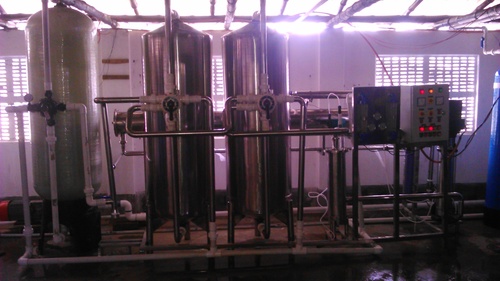
Tell us about your requirement

Price:
Quantity
Select Unit
- 50
- 100
- 200
- 250
- 500
- 1000+
Additional detail
Mobile number
Email

More Products in Ro Plant Category
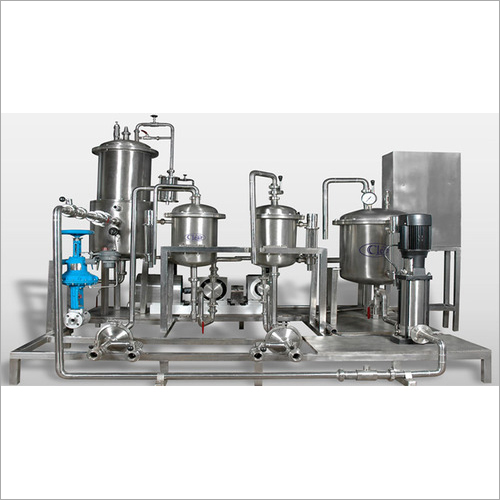
Sugar Syrup Filtration System
Minimum Order Quantity : 1 Piece
Frequency : 50 Hz
Usage & Applications : Sugar Syrup Purification in Confectionery, Beverage & Food Industry
Product Type : Sugar Syrup Filtration System
Power Source : Electric
Capacity : 1000 LPH
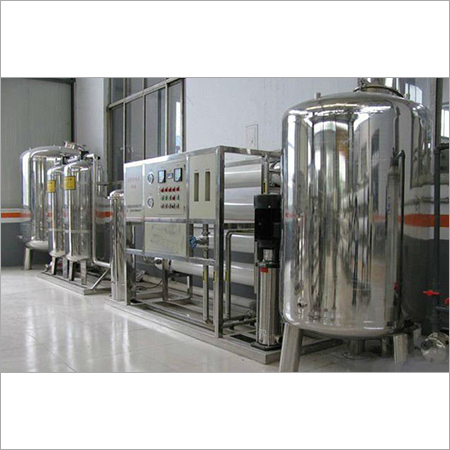
Water RO Plant SS
Frequency : 50/60 Hz
Usage & Applications : Drinking water, Industrial process water, Commercial establishments
Product Type : Commercial RO Plant
Power Source : Electric
Capacity : 500 LPH, 1000 LPH, 2000 LPH, Custom sizes available
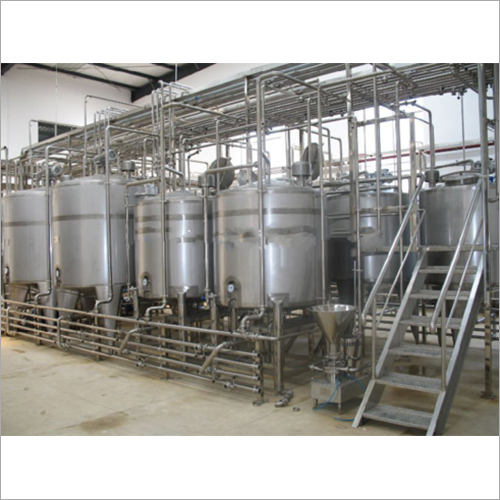
Juice Processing
Frequency : 50 Hz
Usage & Applications : Juice Production
Product Type : Juice Processing Machine
Power Source : Electric Power
Capacity : 500 Liters per Hour
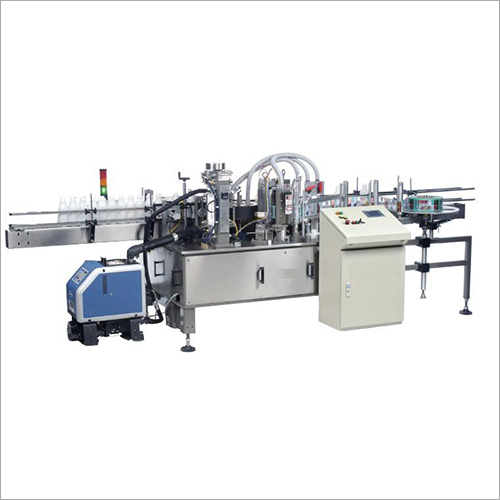
Fully Automatic Bopp Bottle Labelling Machine
Frequency : 5060 Hz
Usage & Applications : Bottle Label Printing and Application
Product Type : Bottle Labelling Machine
Power Source : Electric
Capacity : 300012000 bottles/hour

 Send Inquiry
Our Products


57/1/9, Site 4, Sahibabad Industrial Area, Ghaziabad - 201010, Uttar Pradesh, India

Mr. Sudheer Jaiswal
(Director)
Mobile :08045476918
 Send Inquiry
 Send SMS
Developed and Managed by Infocom Network Private Limited.


